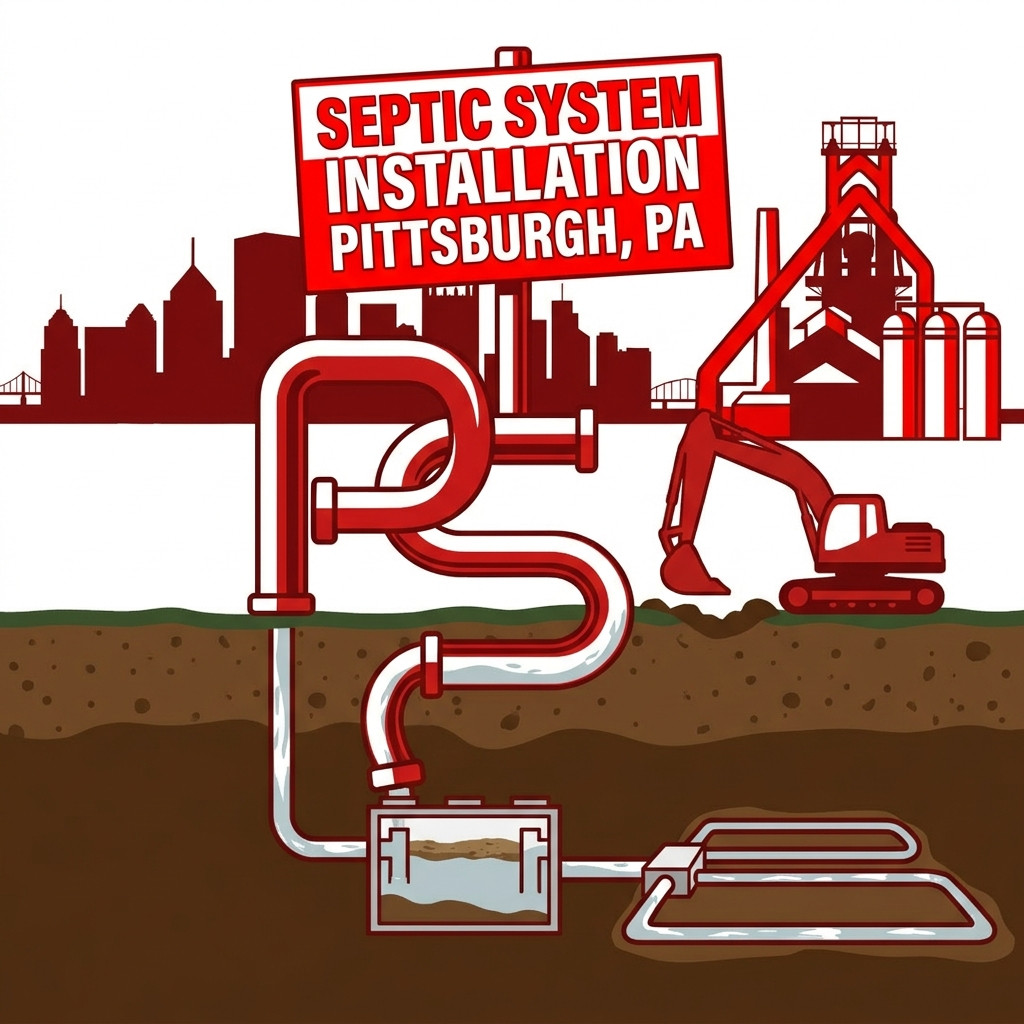
Septic System Installation in Pittsburgh, PA Homeowners Trust
Every septic system installed in Pittsburgh has to answer to the same variables: soil composition, groundwater depth, lot size, and local permitting rules through the Pennsylvania Department of Environmental Protection. Our crew has spent years working through percolation testing, plot plan submissions, and system design for properties ranging from tight urban lots to multi-acre parcels in the surrounding boroughs. We install gravity-fed systems, pump-assisted setups, and sand mound configurations depending on what the soil and elevation actually call for. Each job closes with a functioning, inspected system, not just a signed permit.
Free Site Evaluations
PA DEP Compliant Systems
Licensed Installation Crew
Transparent Written Quotes
Warrantied Workmanship
Our Septic Installation Services in Pittsburgh, PA
A septic installation service in Pittsburgh, PA has to account for the region's mixed clay and shale soils, which drain slower than sandy ground and often push a project toward a mound or pump system instead of a standard gravity layout. The services below cover everything from first-time system design to ongoing maintenance and troubleshooting.
Septic System Installation
A property without an existing system, whether it's new construction or a lot that's never been developed, needs a full design and build from the ground up. We run soil testing, size the tank and drain field to match household usage, and coordinate every permit step with the local sewage enforcement office. The result is a system sized correctly the first time, avoiding the undersized setups that fail within a decade.
Septic System Repair Services
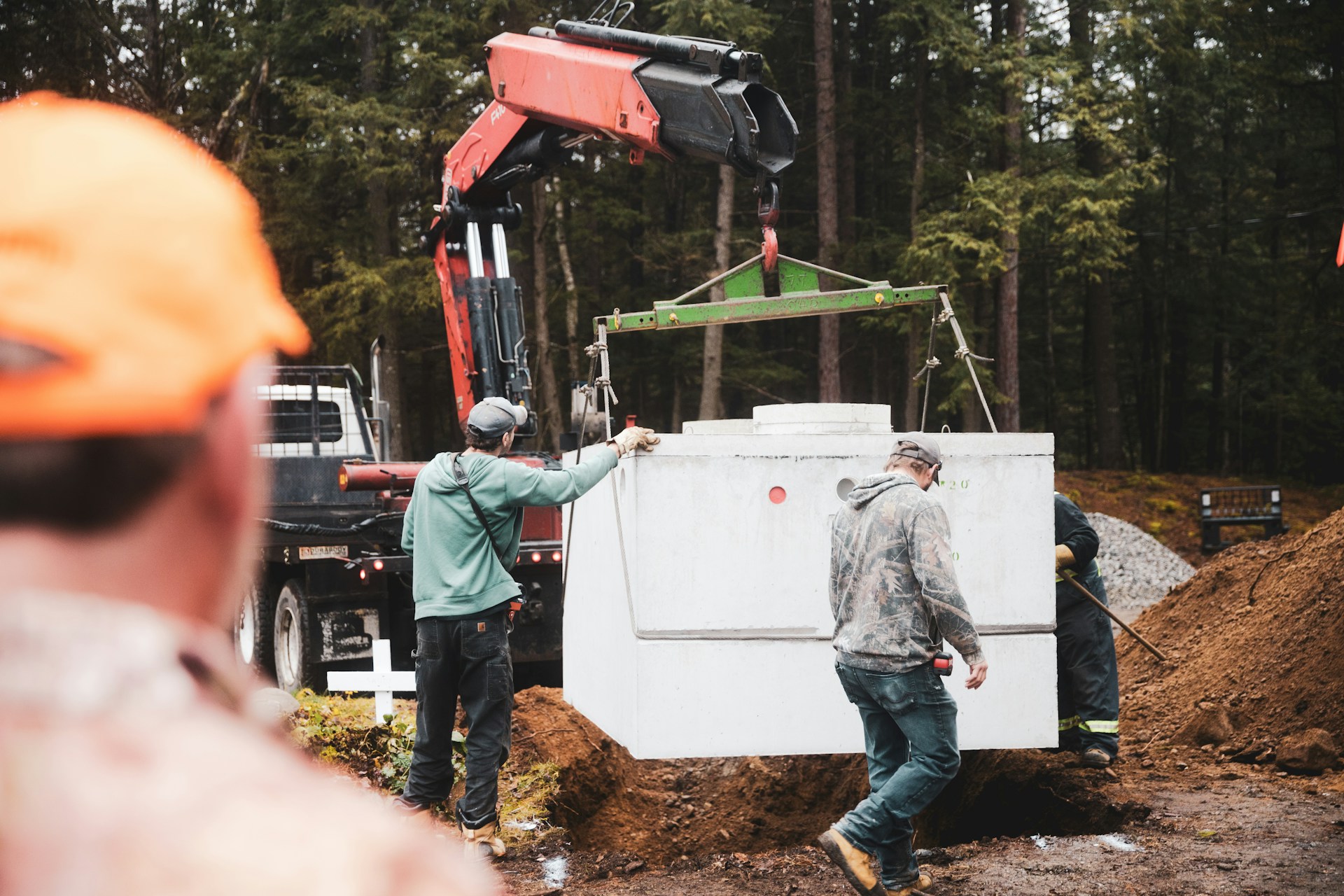
Slow drains, gurgling pipes, or a wet patch near the drain field usually point to a problem that's only going to get worse if it's ignored. Our team diagnoses the failure point, whether it's a cracked line, a clogged distribution box, or a struggling pump, and repairs it using methods matched to the actual cause. Most repairs are completed without disturbing the rest of a working system, keeping cost and disruption to a minimum.
Septic Riser Installation
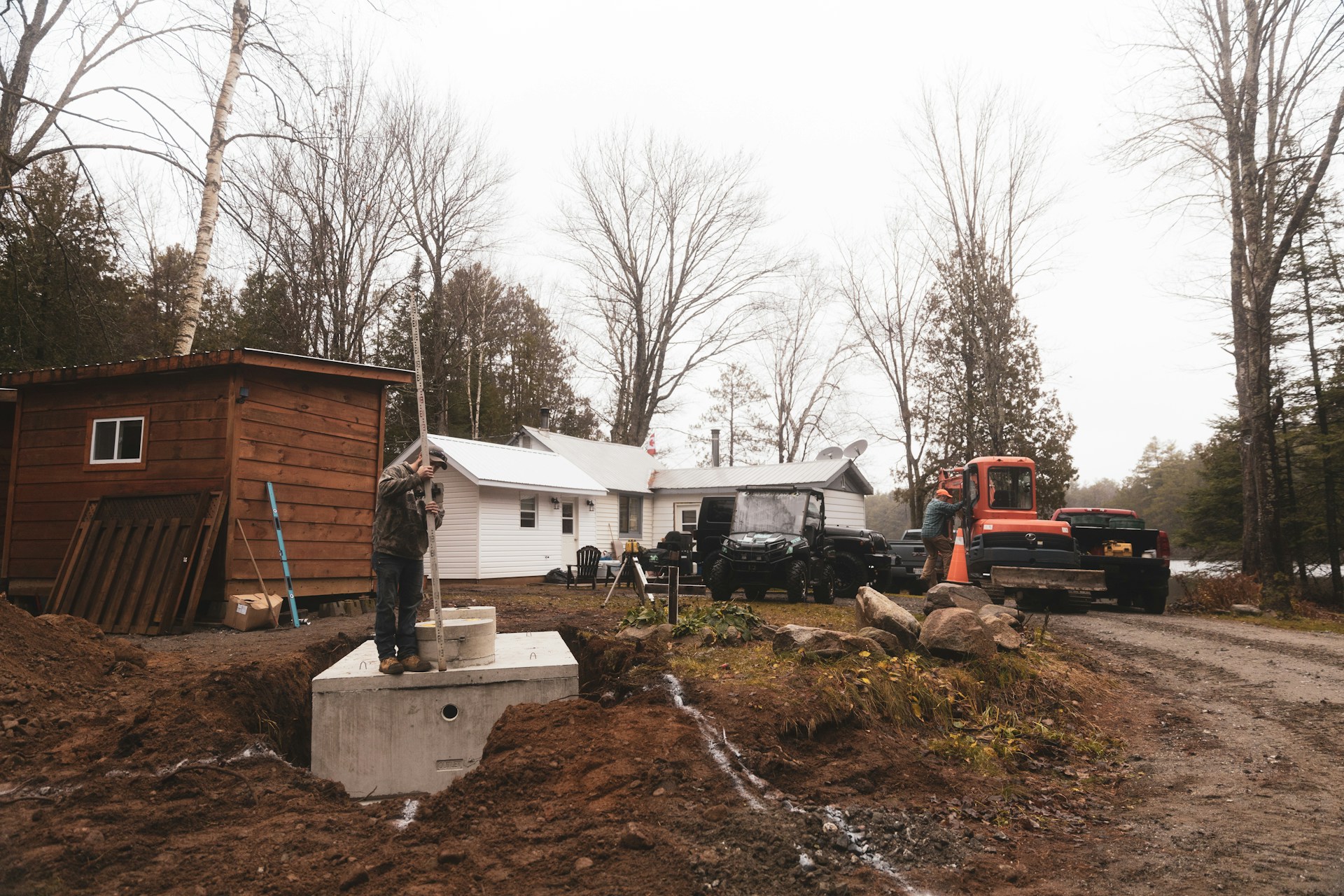
Tanks buried deep below grade make routine pumping and inspection a bigger job than it needs to be. We install risers that bring access points up to ground level, using sealed lids rated for foot traffic and weather exposure. This cuts labor time on every future service call and reduces the chance of lid damage from repeated access.
Septic Tank Replacement
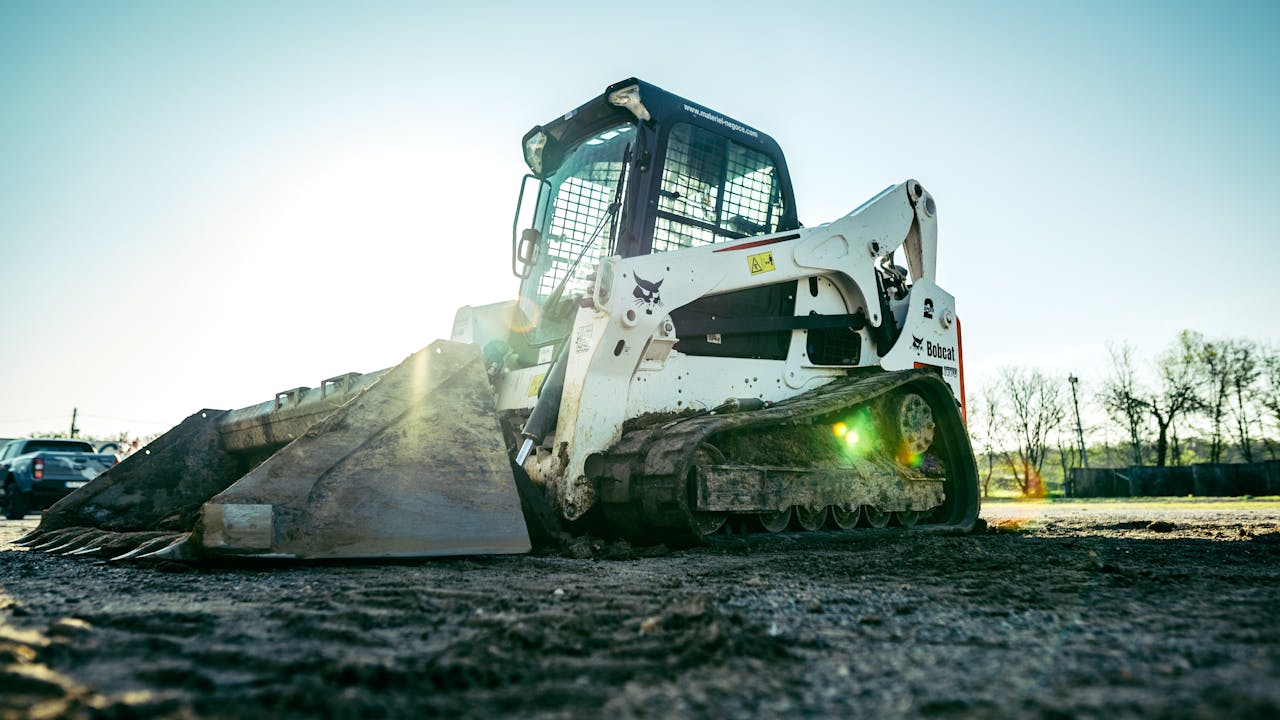
A tank that's cracked, corroded, or simply undersized for current household needs eventually stops being worth repairing. We remove the failing tank, size a proper replacement based on occupancy and usage, and set it to meet current code requirements. Homeowners end up with a tank built for another several decades of service, not a patched-together fix.
Sewer Camera Inspection Services
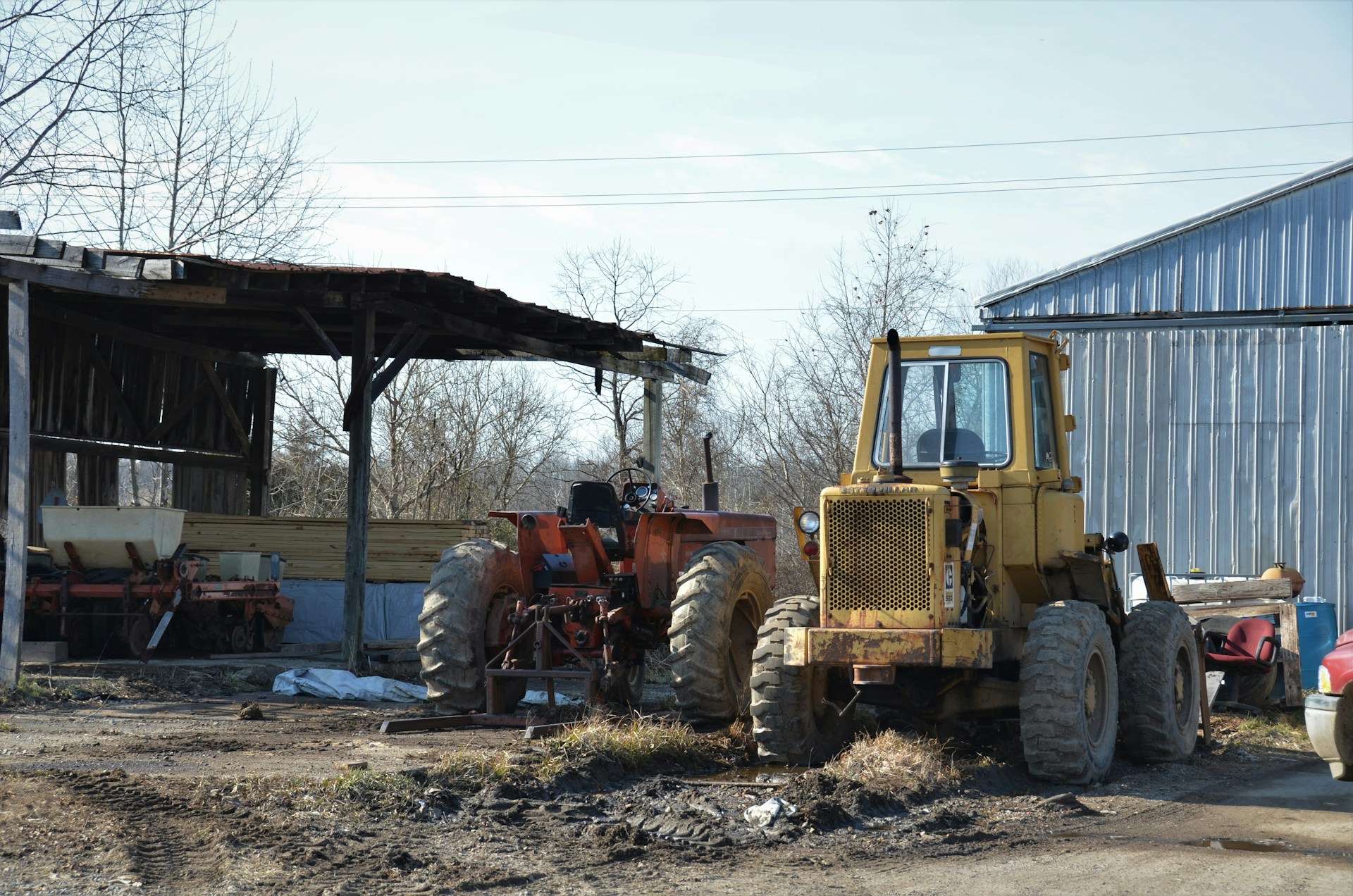
Underground line problems are hard to diagnose by guesswork alone, especially when symptoms show up far from the actual blockage or crack. We run a camera through the line to locate root intrusion, collapsed sections, or misaligned joints in real time. This gives you an accurate diagnosis before any work starts, so repairs target the actual problem instead of the whole line.
Septic System Maintenance
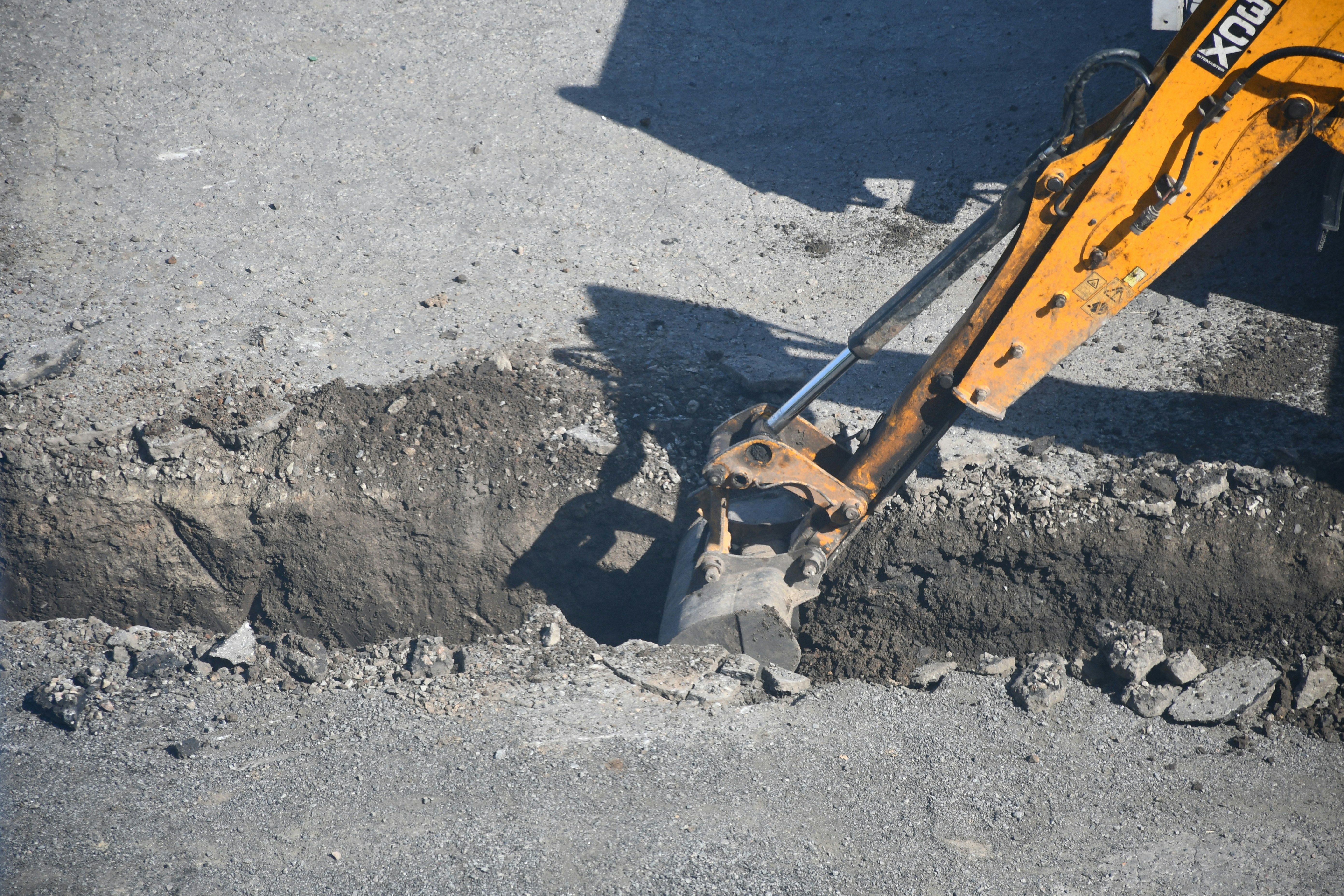
Systems that go years without service are the ones most likely to fail unexpectedly, often during a holiday gathering or right after a big rain. We handle scheduled pumping, inspection of tank components, and early detection of wear before it becomes a breakdown. Regular maintenance is consistently the cheaper path compared to emergency repair or full replacement.
Septic System Design & Planning
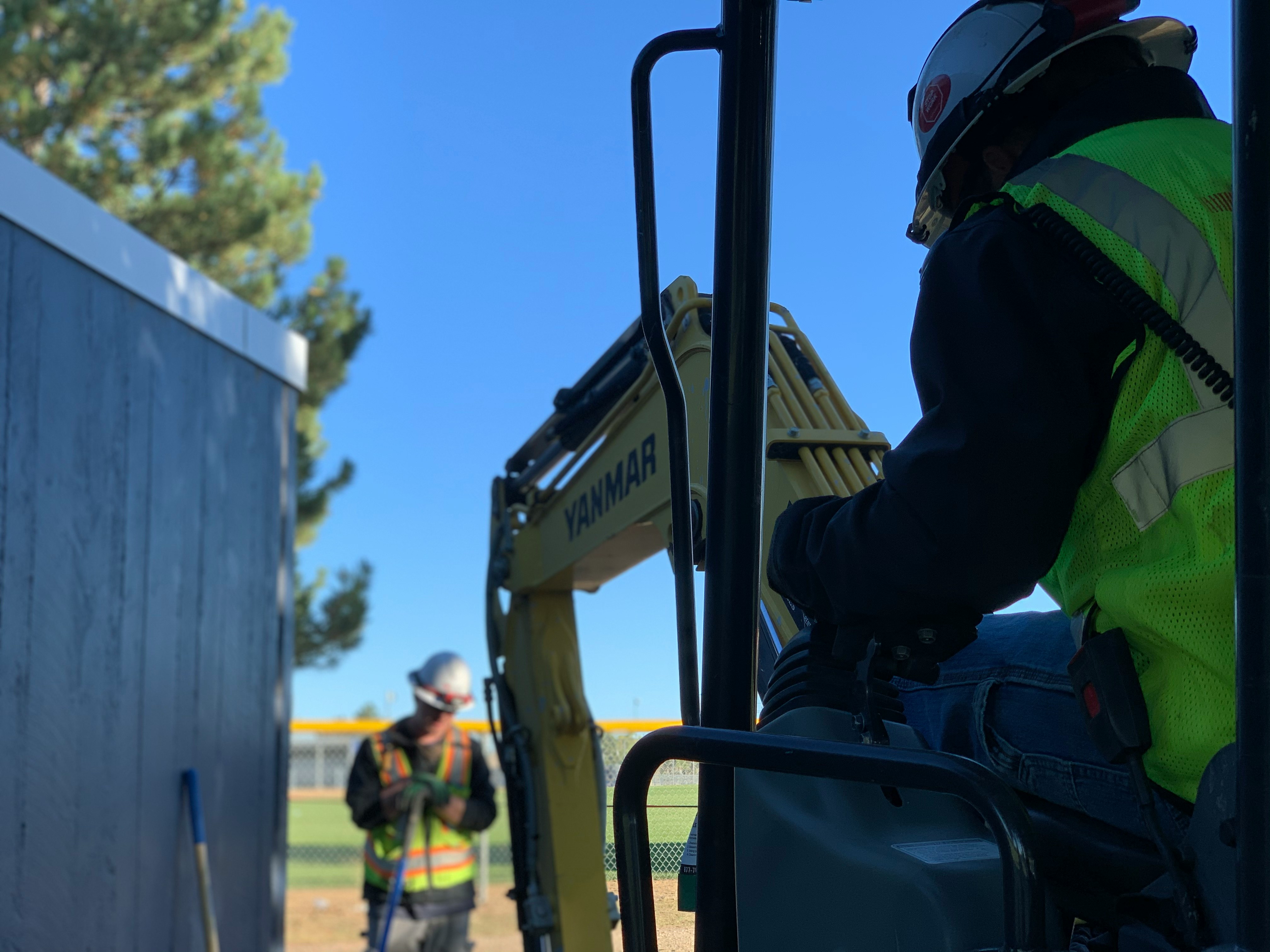
Some properties, especially those with high water tables or bedrock close to the surface, don't qualify for a standard leach field and need an engineered alternative. We evaluate the lot, model drainage patterns, and design sand mound or drip irrigation layouts where conventional systems won't pass inspection. Homeowners get a design that's approved before construction starts, not one that gets flagged mid-project.
Septic System Troubleshooting
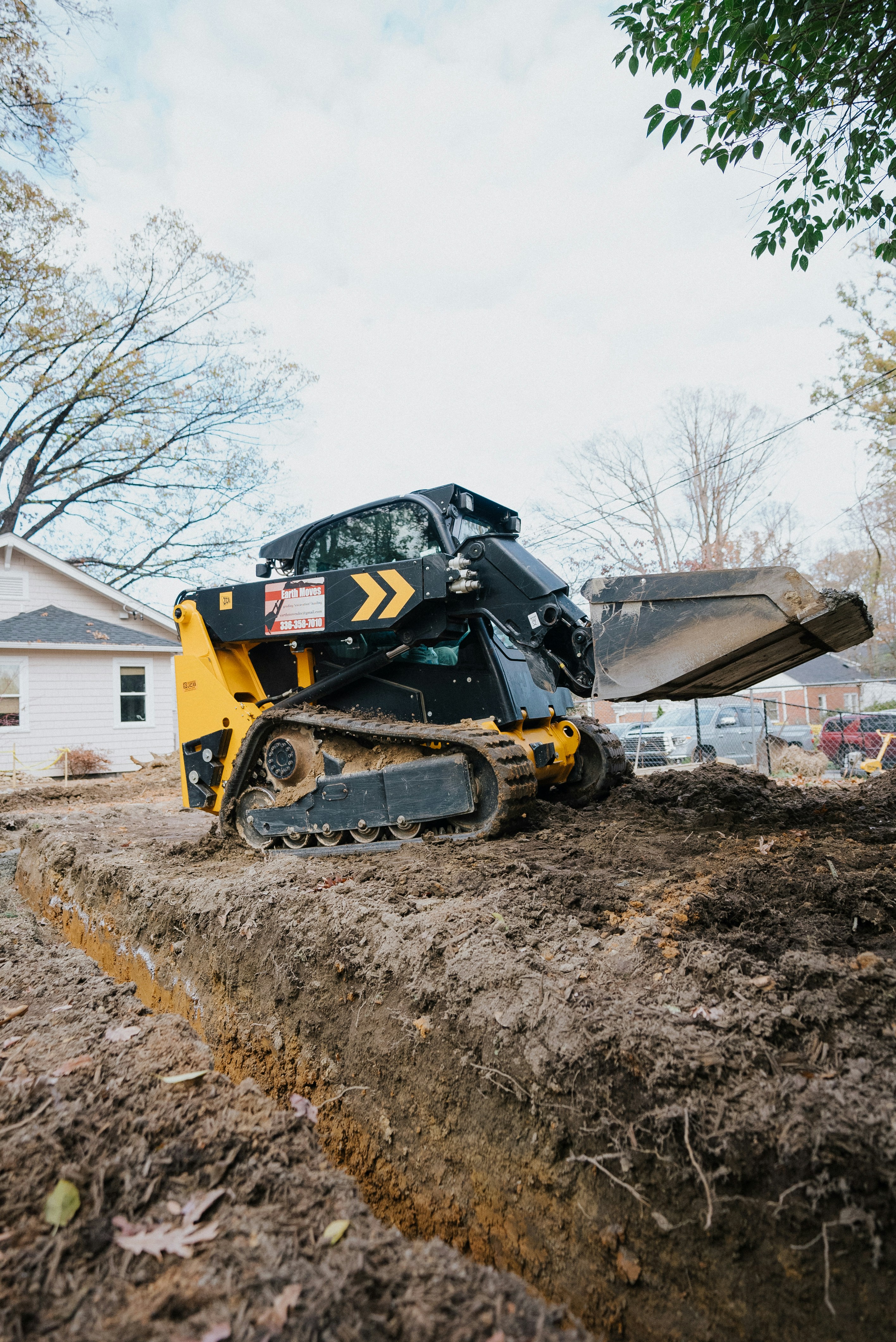
Not every septic issue has an obvious cause, and misdiagnosing the problem often leads to fixing the wrong part of the system. We work through the tank, lines, and drain field systematically to pinpoint what's actually failing before recommending any repair. This step-by-step approach prevents unnecessary digging or replacement of parts that were never the issue.
Why Choose Us
Choosing the right team for septic installation comes down to soil knowledge, permit handling, and workmanship that holds up over years, not just the first inspection.
Soil-Specific Design
We size and configure every system around the actual percolation rate and soil profile of your lot, not a one-size template.
Full Permit Handling
We manage percolation testing, plot plans, and DEP paperwork so you're not chasing approvals between offices.
Licensed and Insured Crew
Every installer on site is licensed for on-lot sewage work and covered by full liability insurance.
Straightforward Pricing
Quotes are itemized before work starts, so there's no guessing about tank size, materials, or labor costs later.
Local Soil Knowledge
Years of work across Pittsburgh's clay-heavy and shale-based ground means fewer surprises during installation.
Post-Install Support
We stay reachable after the final inspection for questions about maintenance schedules or system performance.
Benefits of Professional Septic Installation
A correctly installed system does more than pass inspection once. It protects your property, your water supply, and your budget for years after the crew leaves.
Fewer System Failures
A properly sized and correctly placed system avoids the early breakdowns common with rushed or undersized installs.
Passed Inspections
Permit-compliant design means your system clears DEP inspection without rework or delays.
Longer System Lifespan
Correct tank sizing and drain field placement extend a system's working life well beyond a poorly matched setup.
Protected Groundwater
Systems built to local soil and water table conditions reduce the risk of effluent reaching nearby wells or waterways.
Higher Property Value
A documented, code-compliant septic system is a selling point buyers and inspectors both look for.
Lower Long-Term Costs
Getting the design right the first time cuts the repair and replacement costs that come with undersized systems.
Areas We Serve Near Pittsburgh, PA
We install septic systems across Pittsburgh and the surrounding boroughs, working within each area's specific soil and permitting requirements.
Frequently Asked Questions
Most residential installations take one to three weeks once permits are approved, depending on soil conditions and system type. Percolation testing and permit review can add several additional weeks before construction starts.
Soil drainage rate, groundwater depth, and bedrock proximity all factor into the decision. If percolation testing shows poor drainage or a high water table, a mound or pump-assisted system is usually required.
Yes, Pennsylvania requires a permit through the local sewage enforcement office before any installation begins. This includes soil testing results and an approved system design.
Tank size is based on the number of bedrooms and expected daily water usage in the household. Commercial properties are sized against occupancy and actual flow data rather than a flat formula.
In many cases, yes, through an engineered alternative like a sand mound or drip irrigation system. These designs work around soil limitations that would disqualify a standard gravity system.
Most new systems don't require pumping in the first year, but periodic inspection of the tank and drain field is recommended. Riser installation at the time of setup makes these early checks easier to perform.
Know More About Septic System
Quick Links